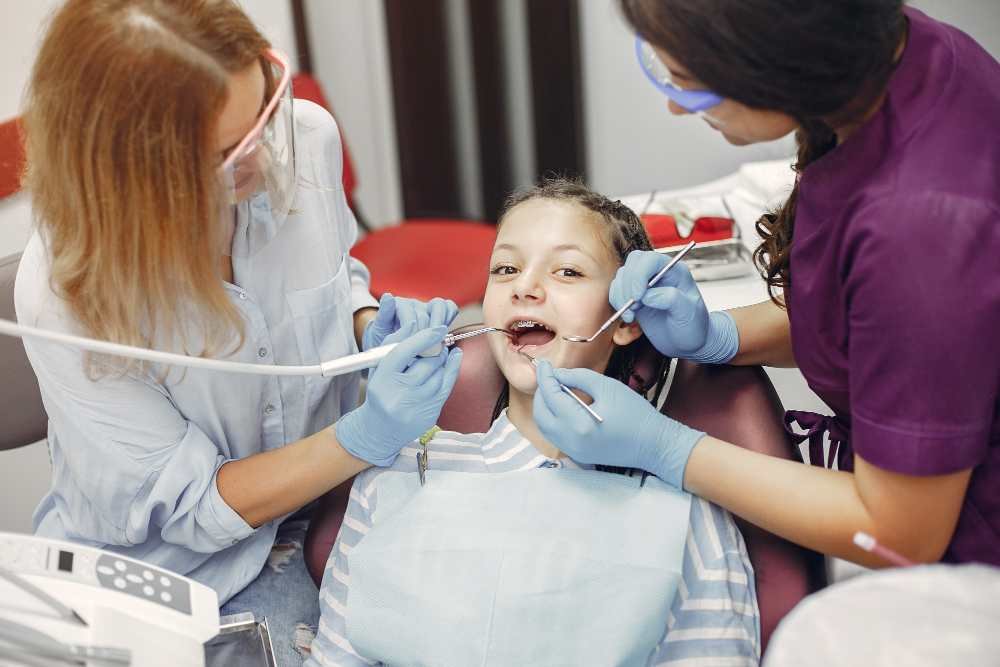
Pediatric Dentistry in Tirupati
Tirupati's most loved children's dental clinic — gentle, compassionate, and fun. From baby teeth to braces, we make every dental visit a positive experience for your little ones.
Tirupati's most loved children's dental clinic — gentle, compassionate, and fun. From baby teeth to braces, we make every dental visit a positive experience for your little ones.
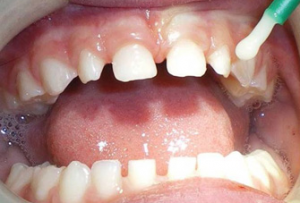
Paediatric dentistry focuses on the oral health of infants, children, and adolescents. Human teeth start erupting from the age of 6 months, and between 6 months and 6 years children develop their full set of primary "milk" teeth. By the age of 6–7 years, milk teeth start to fall out and the permanent set begins to appear. Many parents ignore problems with milk teeth — but untreated decay, premature loss, and bad oral habits at this stage directly affect the permanent teeth that follow. The main goals of paediatric dentistry are to track jaw expansion and tooth development, perform regular cleanings, deliver early interceptive orthodontics, provide preventive care, and manage dental injuries. At Meghana Multi Speciality Dental Hospital, Tirupati, our pedodontists are concerned with your child's comfort and welfare at all times — combining exceptional expertise with genuine care to keep your child's smile healthy for a lifetime.
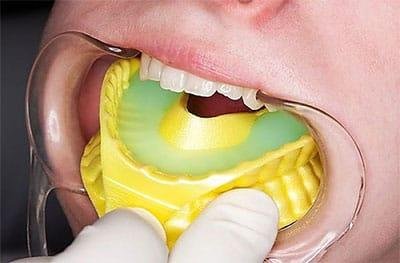
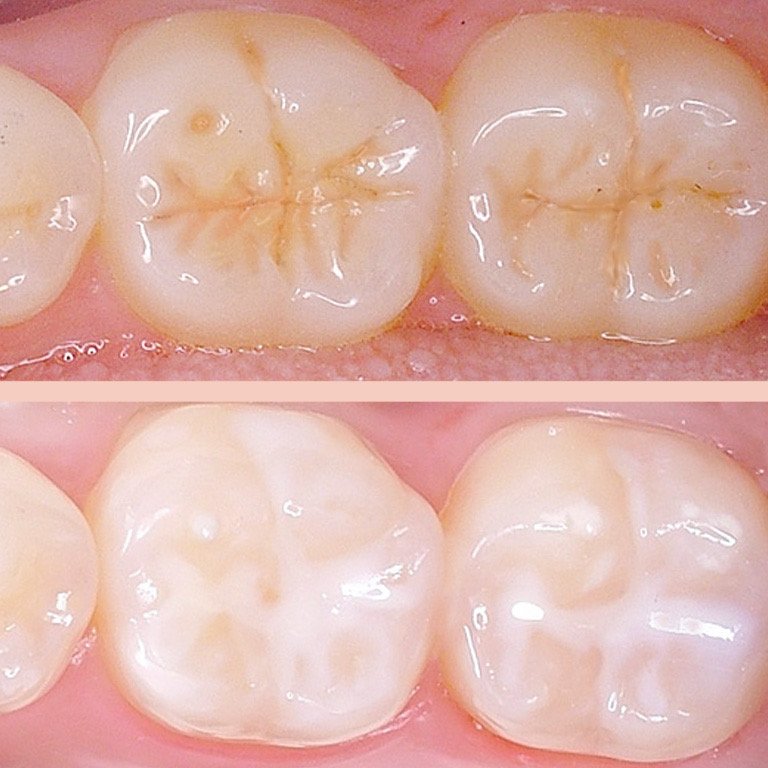
Fluoride varnishes, fissure sealants, and dietary guidance prevent cavities before they develop — saving your child from pain and procedures.
When baby teeth are lost too early, space maintainers preserve the gap for permanent teeth, preventing costly orthodontic problems later.
Our Tell-Show-Do technique, gentle touch, and rewarding system transform anxious children into willing, cooperative dental patients.
By age 7, our orthodontic assessment identifies developing bite problems that are far easier and cheaper to treat early than to correct in adulthood.
We coach parents on correct brushing techniques, fluoride toothpaste use, dietary habits, and how to make home dental care fun for children.
Six-monthly check-ups track tooth eruption, growth patterns, and cavity risk, catching issues early when treatment is minimal and results are best.
Thumb sucking, tongue thrusting, mouth breathing & teeth grinding can cause malocclusions. Our custom appliances gently correct these habits early.
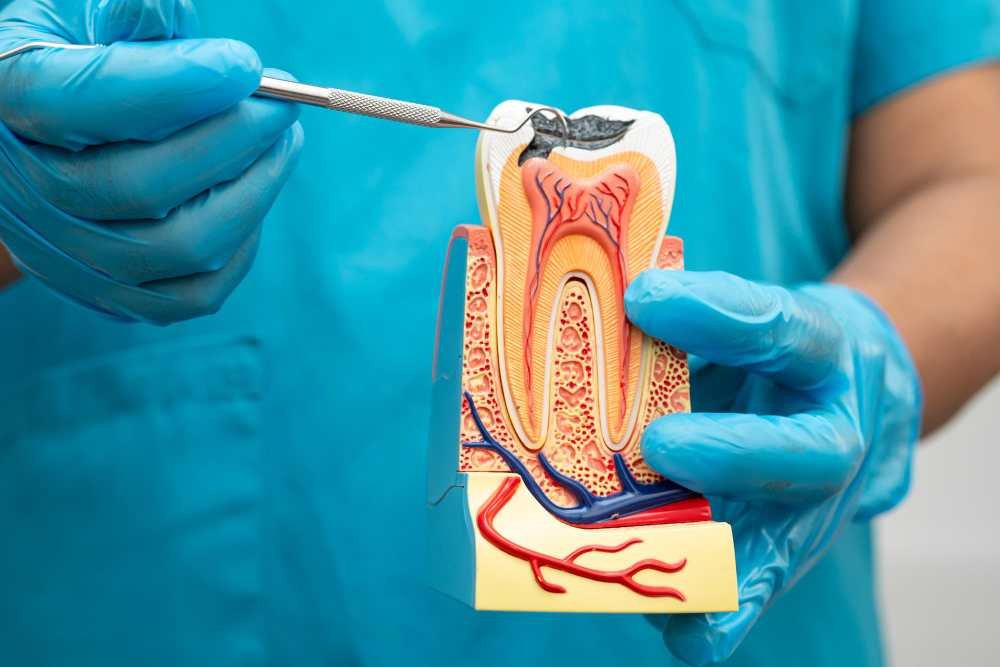
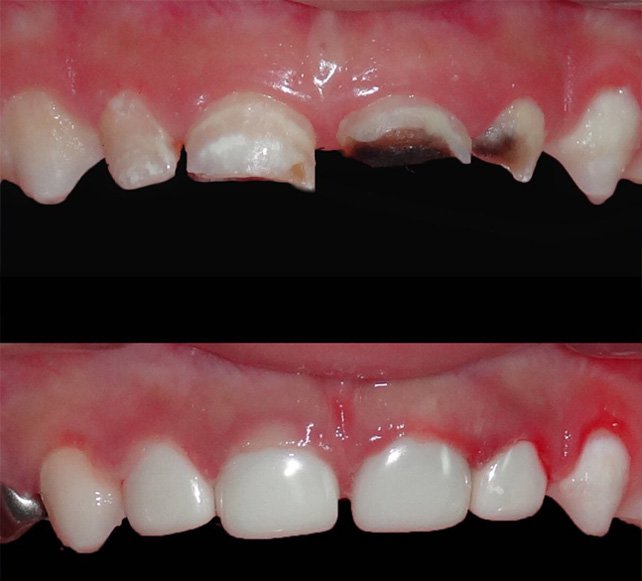
Deep cavities involving the pulp are saved with pulpectomy and restored using strip, polycarbonate, metal, or zirconium crowns — preserving the milk tooth until natural exfoliation.
We monitor your child's growth, oral development, and detect problems early. Every 6 months we perform professional cleaning to remove plaque and prevent cavities, and teach kids and parents the right brushing & flossing techniques along with healthy nutrition advice. Routine visits also catch issues early — when treatment is minimal.
Topical fluoride strengthens enamel and protects against tooth decay. At Meghana Dental we apply fluoride varnish or fluoride gel (using a soft tray) as a preventive measure. Quick, painless, and recommended 2–4 times a year for children at moderate-to-high cavity risk.
The deep grooves on the chewing surfaces of permanent molars trap bacteria and food. A thin protective resin coating is bonded onto these grooves to physically block decay — protecting the tooth for years. Most cost-effective preventive treatment available.
Small cavities are restored with child-friendly tooth-coloured filling materials. Deeper caries that involve the pulp require a procedure called Pulpectomy — the infected pulp tissue is removed and the canals are filled with resorbable materials such as MTA, Zinc Oxide Eugenol, or Iodoform paste. The tooth is then restored with a metal, polycarbonate, strip, or zirconium crown for full protection.
Thumb sucking, tongue thrusting, teeth grinding, and mouth breathing are common childhood oral habits. If left uncorrected they cause dental malocclusions — protruded front teeth, open bite, narrow arches and more. We design custom habit-breaking appliances that gently and effectively stop these habits, allowing the teeth and jaws to develop normally.
Falls and sports injuries can chip, fracture, or knock out a child's teeth. Quick action makes the difference between saving and losing the tooth. Our team is trained in paediatric dental trauma — assessing the injury, splinting loose teeth, and protecting developing permanent teeth underneath.
Give your child the gift of healthy teeth from the very start. Book a gentle, fun-filled appointment at Meghana Multi Speciality Dental Hospital, Tirupati.