Ceramic Inlays & Onlays in Tirupati
The gold standard for restoring large cavities and cracked cusps. Lab-milled solid ceramic, bonded under 25× microscope precision — lasting 15–20+ years at Meghana Multi Speciality Dental Hospital, Tirupati.
The gold standard for restoring large cavities and cracked cusps. Lab-milled solid ceramic, bonded under 25× microscope precision — lasting 15–20+ years at Meghana Multi Speciality Dental Hospital, Tirupati.
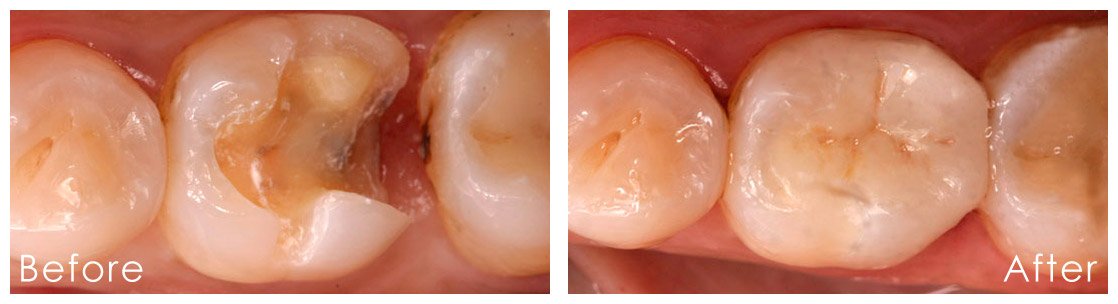
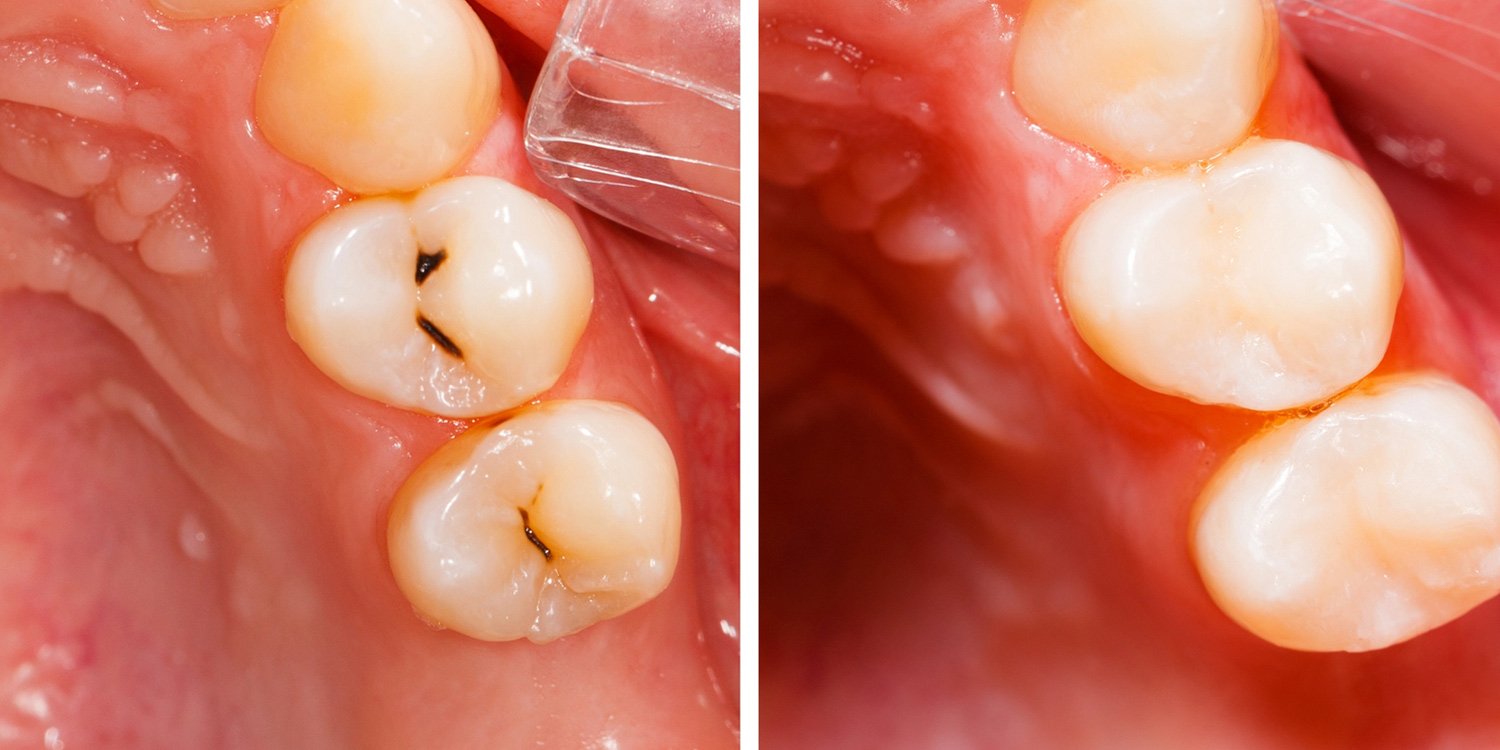
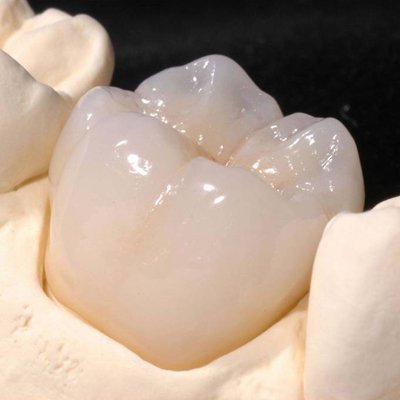
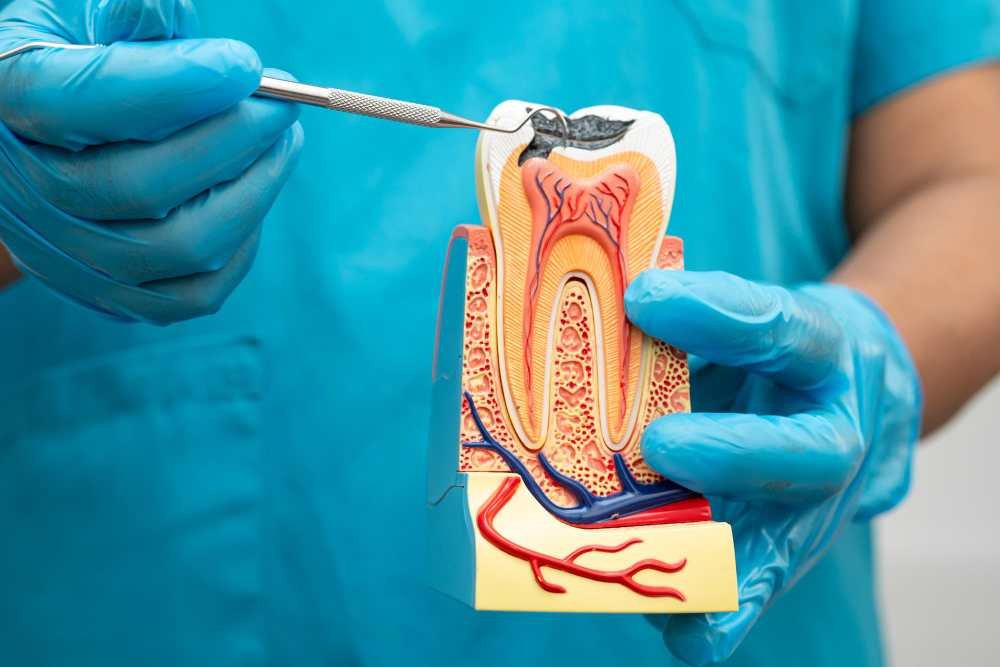
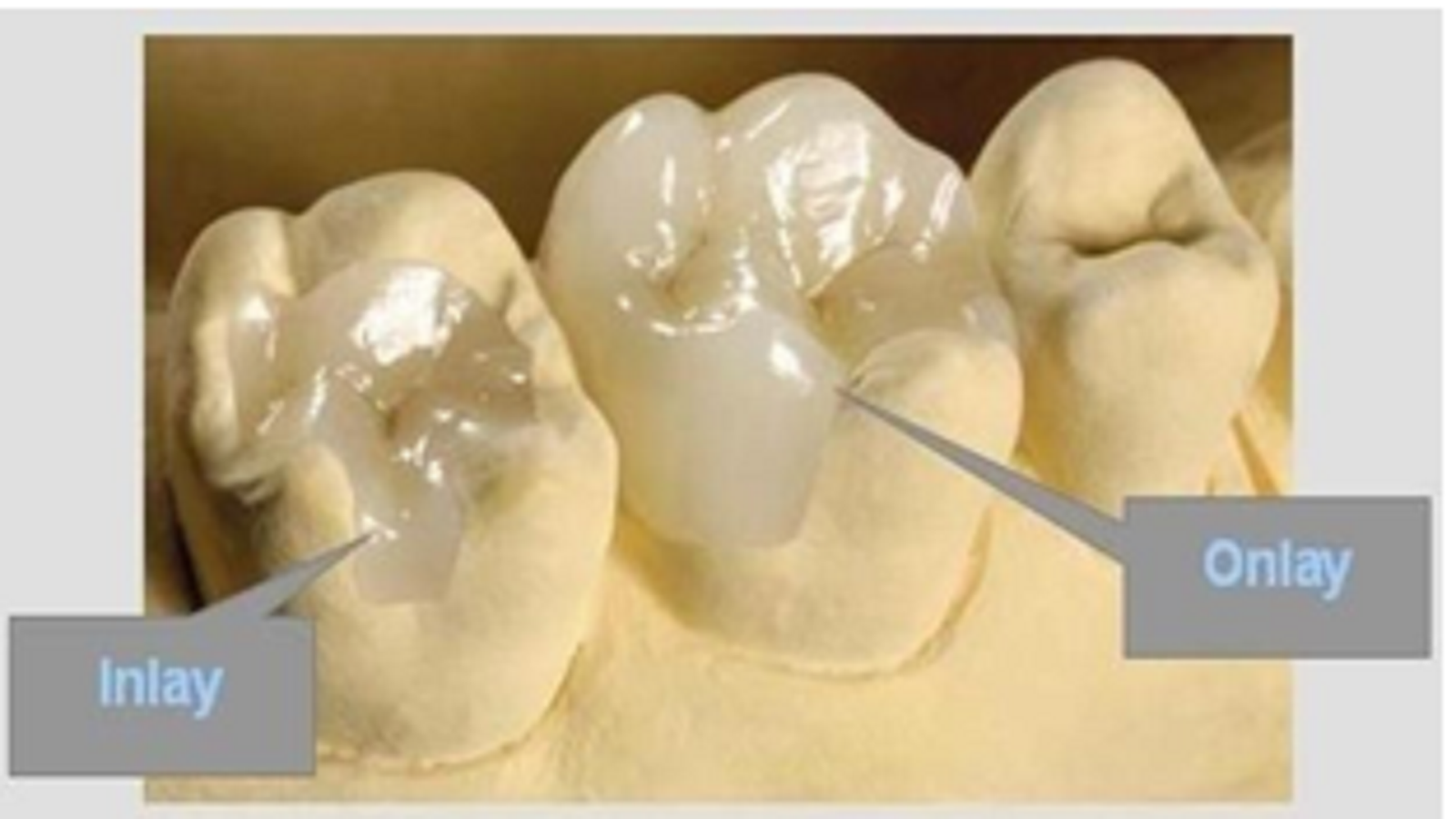
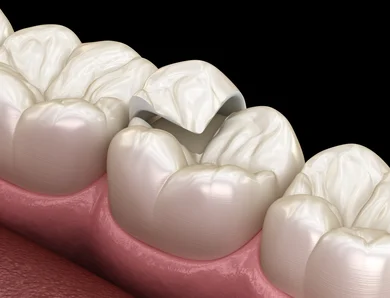
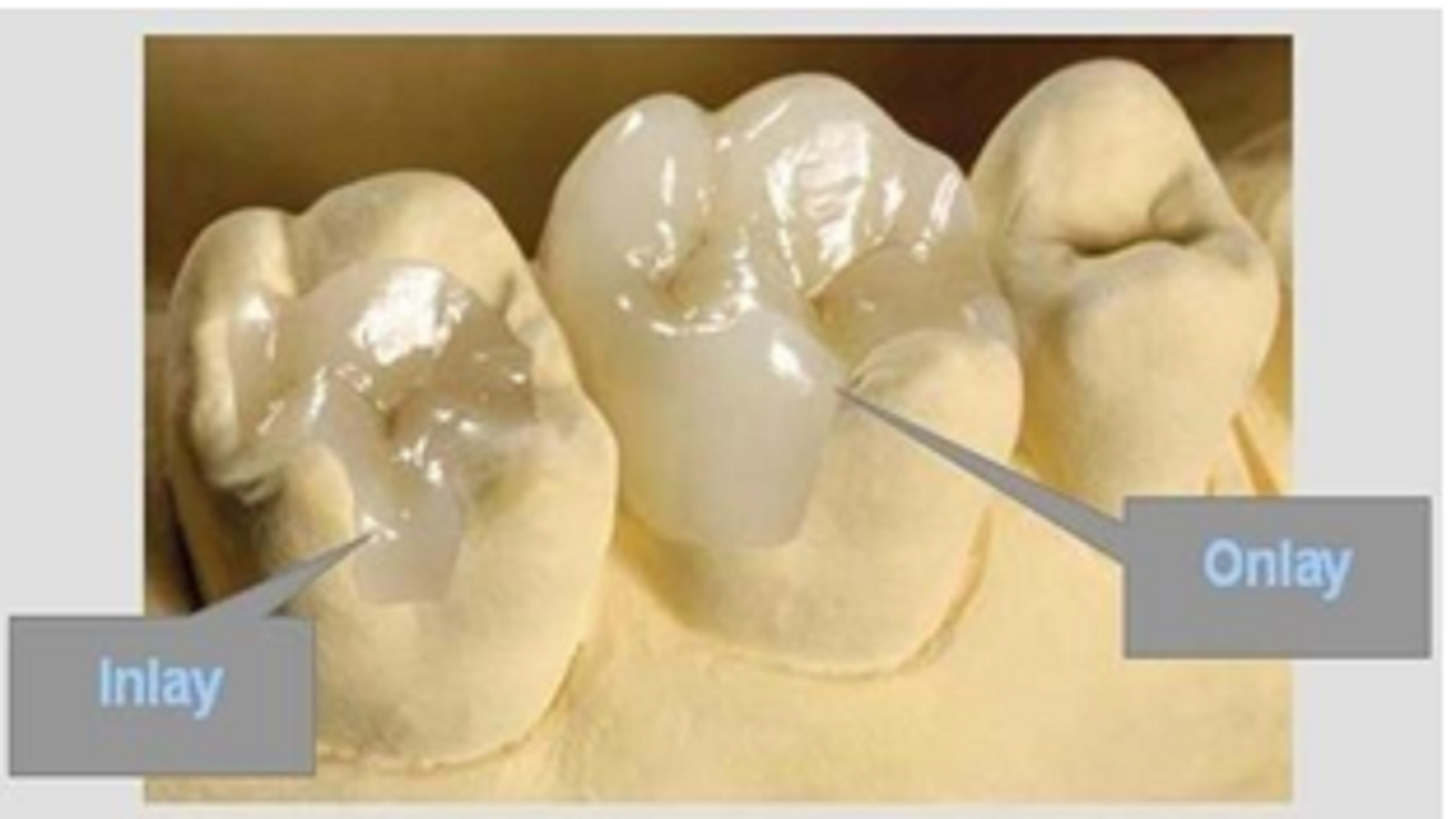
Ceramic inlays and onlays are the gold standard for restoring large, heavily damaged, or cusp-involved back teeth — situations where a direct composite filling would be too bulky, too prone to shrinkage, or simply not strong enough to withstand long-term chewing forces. Unlike direct fillings placed chairside, inlays and onlays are precision-milled from solid porcelain or ceramic in a specialist dental laboratory, then permanently bonded to the tooth at a second visit. The result is a restoration that does not shrink, does not stain, lasts 15–20+ years, and is virtually indistinguishable from natural tooth enamel. An inlay fits inside the cusps of the tooth; an onlay extends over one or more cusps when additional coverage is needed — making it the ideal solution between a large filling and a full crown. At Meghana Multi Speciality Dental Hospital, Tirupati, all inlay and onlay preparations are performed under our 25× dental operating microscope for micron-level precision.

Solid ceramic inlays are significantly stronger than direct composite fillings — engineered to withstand the full biting force of back teeth for 15–20+ years.
Composite resin shrinks slightly during curing, creating micro-gaps over time. Ceramic inlays are cured in the lab at controlled temperatures — no shrinkage, no gap, no staining.
Porcelain and e.max ceramic have the same light transmission and translucency as natural tooth enamel — the restoration disappears into the tooth.
With proper care, ceramic inlays last 2–3× longer than composite fillings — making them a better long-term investment for large restorations.
An onlay covers only what is damaged, saving significantly more healthy tooth structure than a full crown — always the conservative choice when it is sufficient.
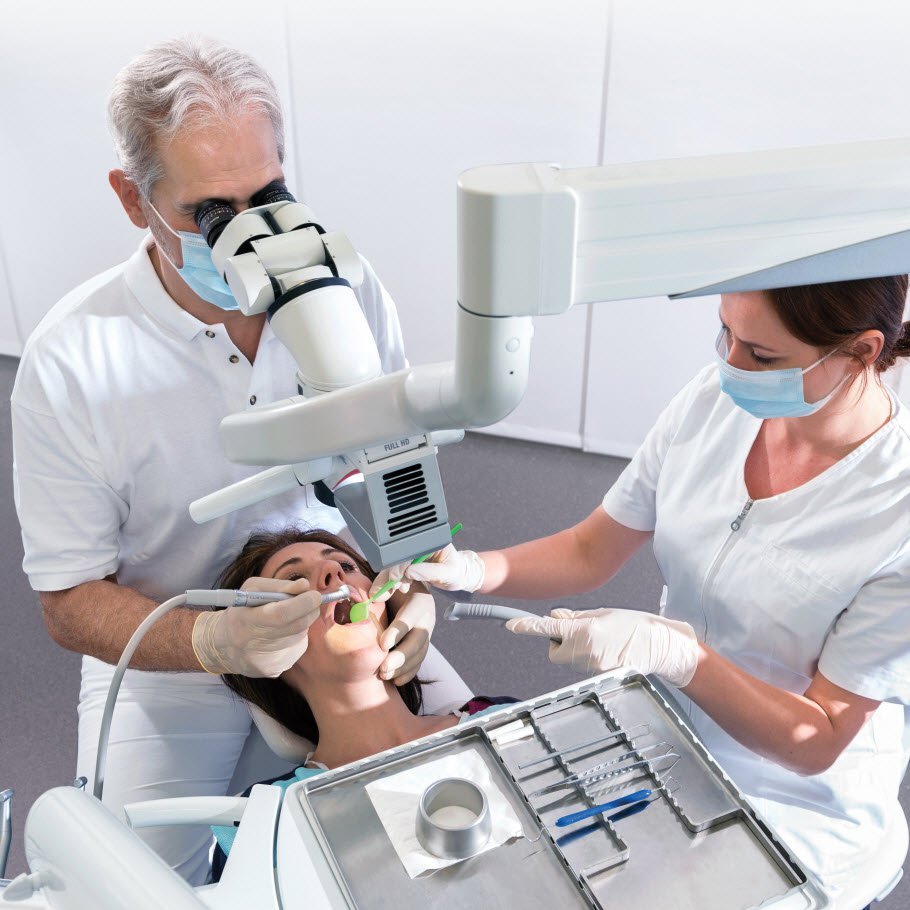
The preparation margins are created under 25× magnification — ensuring the ceramic piece seats flush with the tooth and seals perfectly to prevent micro-leakage.
The tooth is assessed clinically and with digital X-rays. We determine whether an inlay (fits inside the cusps) or onlay (covers one or more cusps) is required, select the ceramic material, and provide a written cost estimate.
Under local anaesthesia and dental microscope guidance at 25× magnification, the cavity is precisely prepared: all decay removed, cavity walls refined to create ideal retentive angles, and margins finished cleanly. Digital or putty impressions are taken and sent to the specialist laboratory.
A well-fitted temporary composite inlay/onlay is placed at the end of Visit 1, protecting the prepared tooth while your permanent ceramic piece is being fabricated. Tooth sensitivity during this period is normal.
Skilled dental technicians mill your inlay or onlay from a solid block of porcelain or e.max ceramic using CAD/CAM technology, then hand-characterise the surface texture and shade to match your surrounding teeth precisely.
The ceramic piece is first tried in dry to check fit, contact points, and aesthetics. Once confirmed, the tooth surface is etched and the inlay/onlay is permanently bonded with high-strength dual-cure resin cement. Excess cement is removed under the microscope, and the bite is refined.
Large cavity or cracked cusp on a back tooth? Our team in Tirupati will fit you with a ceramic inlay or onlay that lasts decades.